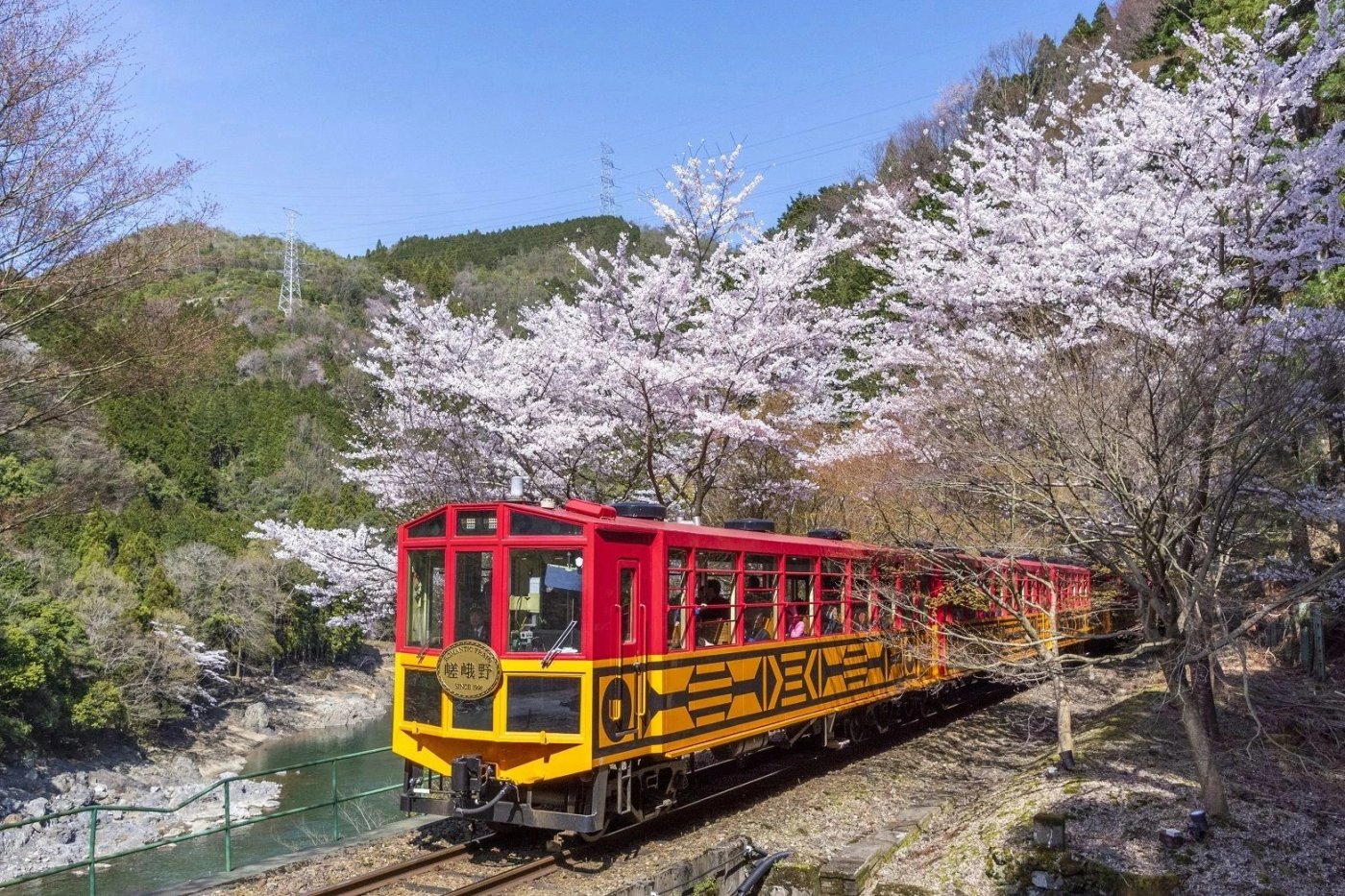
From Okinawa’s deep pink winter flowers to the late spring gardens of Hokkaido, Japan reveals its cherry blossoms in many beautiful ways. Discover celebrated landscapes, ancient trees, and regional favorites, then let us help you weave them into a private journey.
JAPAN’S CELEBRATED SAKURA LANDSCAPES
Three Places to Fall in Love with Spring
Hirosaki Park, Mount Yoshino, and Takato Castle Ruins Park are widely celebrated as Japan’s three great cherry blossom viewing destinations. Each offers a different expression of the season.
AOMORI
Hirosaki Park
弘前公園
Around 2,600 cherry trees bring spring color to the castle grounds and moats. Look for the park’s venerable Somei Yoshino trees, including an exceptionally broad-trunked specimen and a tree celebrated as Japan’s oldest of this variety. Petals gathering on the water lend the setting a quiet romance.
About 30,000 cherry trees color the mountainside in waves. The four areas—Shimo, Naka, Kami, and Oku Senbon—rise from the lower slopes into the hills, so flowering unfolds at different elevations. Follow the season upward, with temple visits and village streets along the way.
Takato’s distinctive Kohigan cherry trees are admired for their rich pink flowers. During the season, their canopies soften the old castle grounds into a sea of color. Evening illuminations, when scheduled, offer another lovely way to experience the park.
These individual ancient trees are distinct from the famous viewing destinations above. Each is believed to be more than a thousand years old, and each carries its own story of endurance and renewal.
FUKUSHIMA
Miharu Takizakura
三春滝桜
Believed to be more than 1,000 years old, this magnificent weeping cherry spreads its branches like a waterfall of pale pink flowers. A visit is a chance to pause before a living landmark cherished across generations.
At Jissoji Temple in Hokuto, this ancient cherry is estimated to be roughly 1,800–2,000 years old. Its weathered trunk and delicate flowers offer a moving contrast of strength and tenderness, making it one of Japan’s most remarkable living trees.
Believed to be around 1,500 years old, this celebrated tree is named for its changing flowers: pink buds open to white blossoms, which take on a pale, ink-like shade as they fade. The subtle transition gives its fleeting beauty a special poignancy.
Around 10,000 cherry trees representing about 250 varieties make Matsumae a rewarding stop for northern spring. Different varieties flower in succession, offering a rich finale to a journey following Japan’s blossom season.
A roughly two-kilometer avenue of cherry trees creates a graceful tunnel beside the Kitakami River. Ask about seasonal sightseeing carriage rides, with operating dates confirmed for the year of your visit.
Weeping cherry branches soften the dark wooden fences of Kakunodate’s samurai district. Continue to the Hinokinai riverbank for a different view, where lines of blossoms open out beneath the northern spring sky.
Near the northwest side of the Imperial Palace, a promenade of about 700 meters follows the moat beneath cherry branches. When rowboat rentals are operating, the water offers an intimate perspective on the flowers above.
Cherry trees trace roughly four kilometers of river through Tokyo’s neighborhoods. Seasonal lanterns, food stalls, and evening reflections add to the atmosphere when scheduled, making this a lovely setting for a spring night out.
Kawazu on the Izu Peninsula is known for its early-flowering Kawazu-zakura. Often opening from February, the vivid pink trees bring an early taste of spring to mainland Japan. Plan around the year’s flowering conditions.
Chureito Pagoda, Mount Fuji, and spring blossoms come together in one of Japan’s most recognizable views. The uphill approach involves steps; we can discuss the walking involved and the best fit for your itinerary. Mountain visibility depends on the weather.
Associated with Toyotomi Hideyoshi’s celebrated Daigo blossom-viewing gathering, this temple pairs graceful cherry trees with a treasured five-story pagoda. Its historic setting brings depth and atmosphere to a Kyoto spring visit.
The roughly 560-meter passage is known for its many varieties, including richly layered blossoms. The seasonal opening is limited; admission arrangements and dates should be confirmed before making plans.
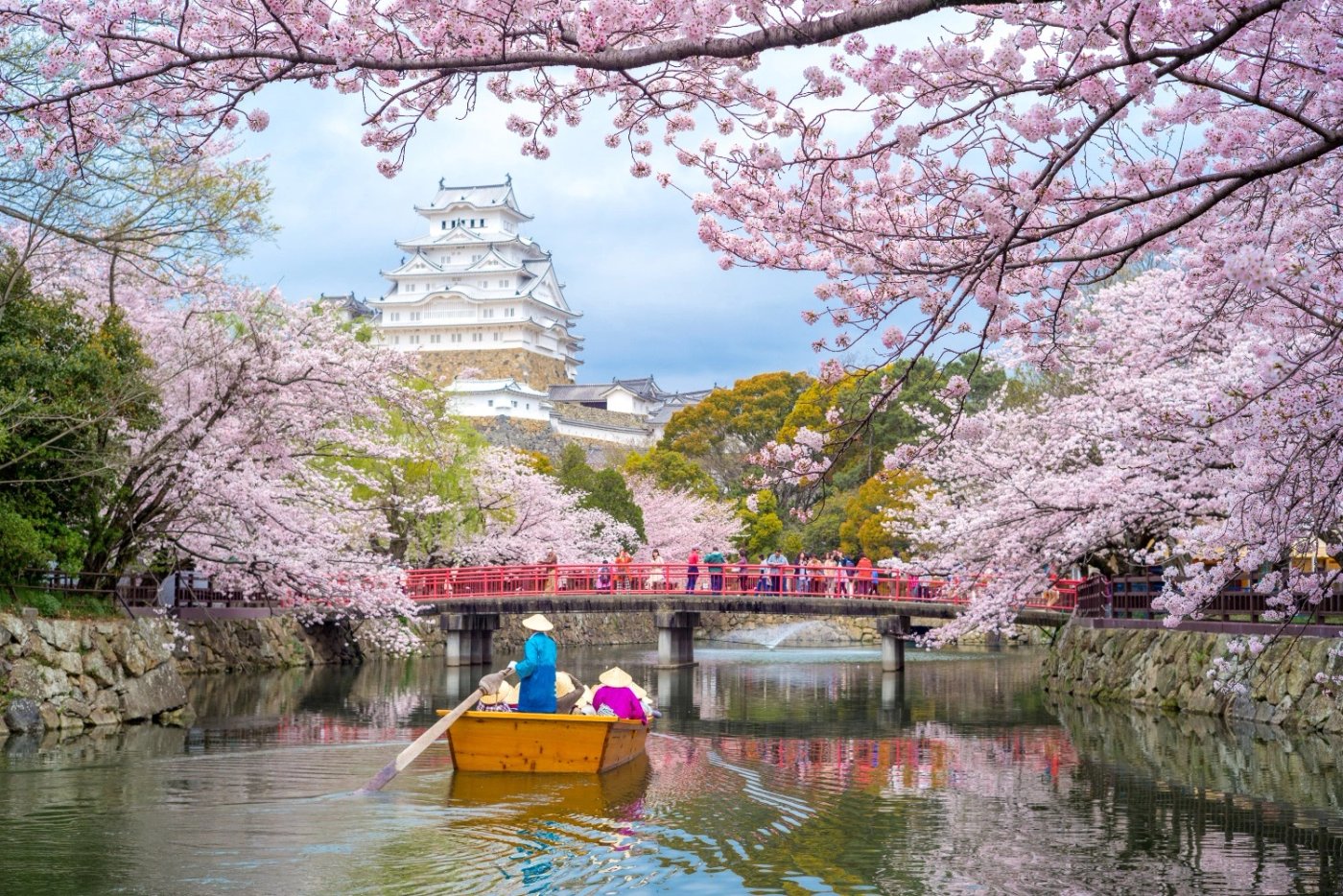
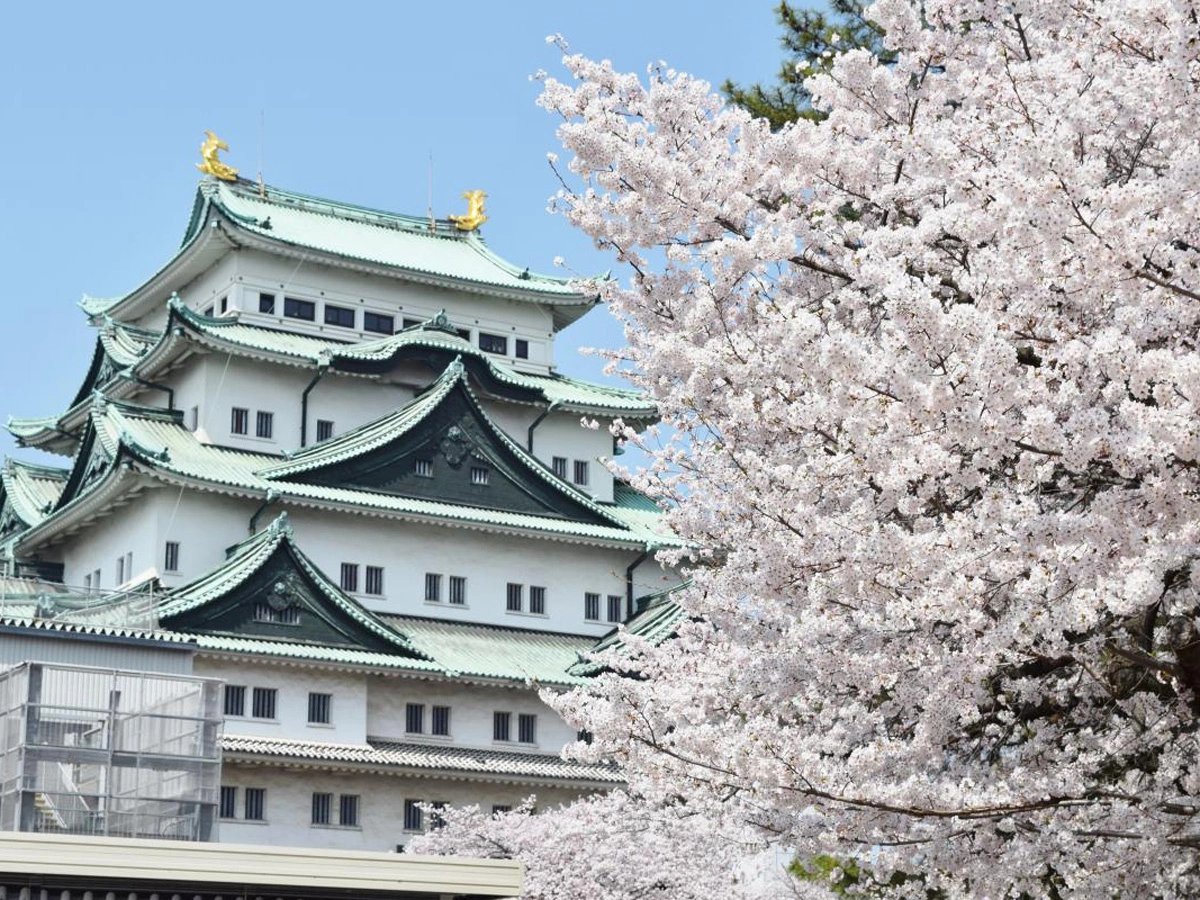
The white walls of the World Heritage castle rise above soft pink flowers, creating a classic Japanese spring scene. Enjoy time in the surrounding grounds, then consider the neighboring gardens for a quieter change of pace.
This solitary mountain cherry, believed to be more than 400 years old, is admired against the surrounding landscape. When the timing aligns, yellow rapeseed flowers add a brilliant contrast beneath its broad canopy.
Deep pink kanhizakura bring color to the old stone walls during one of Japan’s earliest blossom seasons, typically from January into February. The castle ruins offer a distinctive setting for a winter sakura journey, with festival details confirmed closer to travel.
Flowering dates vary with weather, variety, and elevation. The descriptions are seasonal planning guidance, not a confirmed 2027 forecast. Festival dates, lighting, carriage rides, rowboats, and admission arrangements may change.
Share the places you dream of, the people you are traveling with, and the little things that make a trip special. We will help bring your spring in Japan to life.